
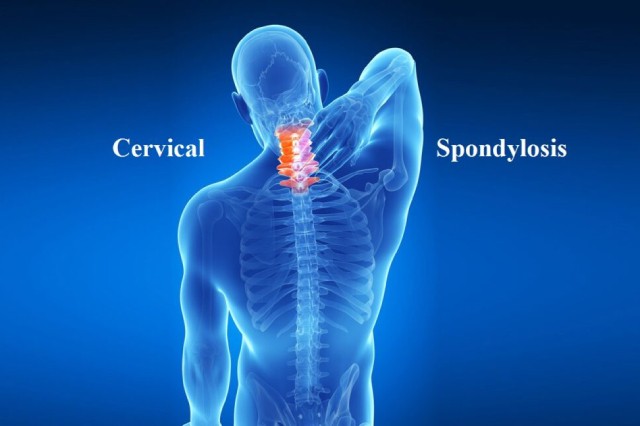
Cervical Spondylosis
Also known as arthritis of the neck, this condition involves the age-related wear and tear of the cervical spine, causing pain, stiffness, and sometimes numbness
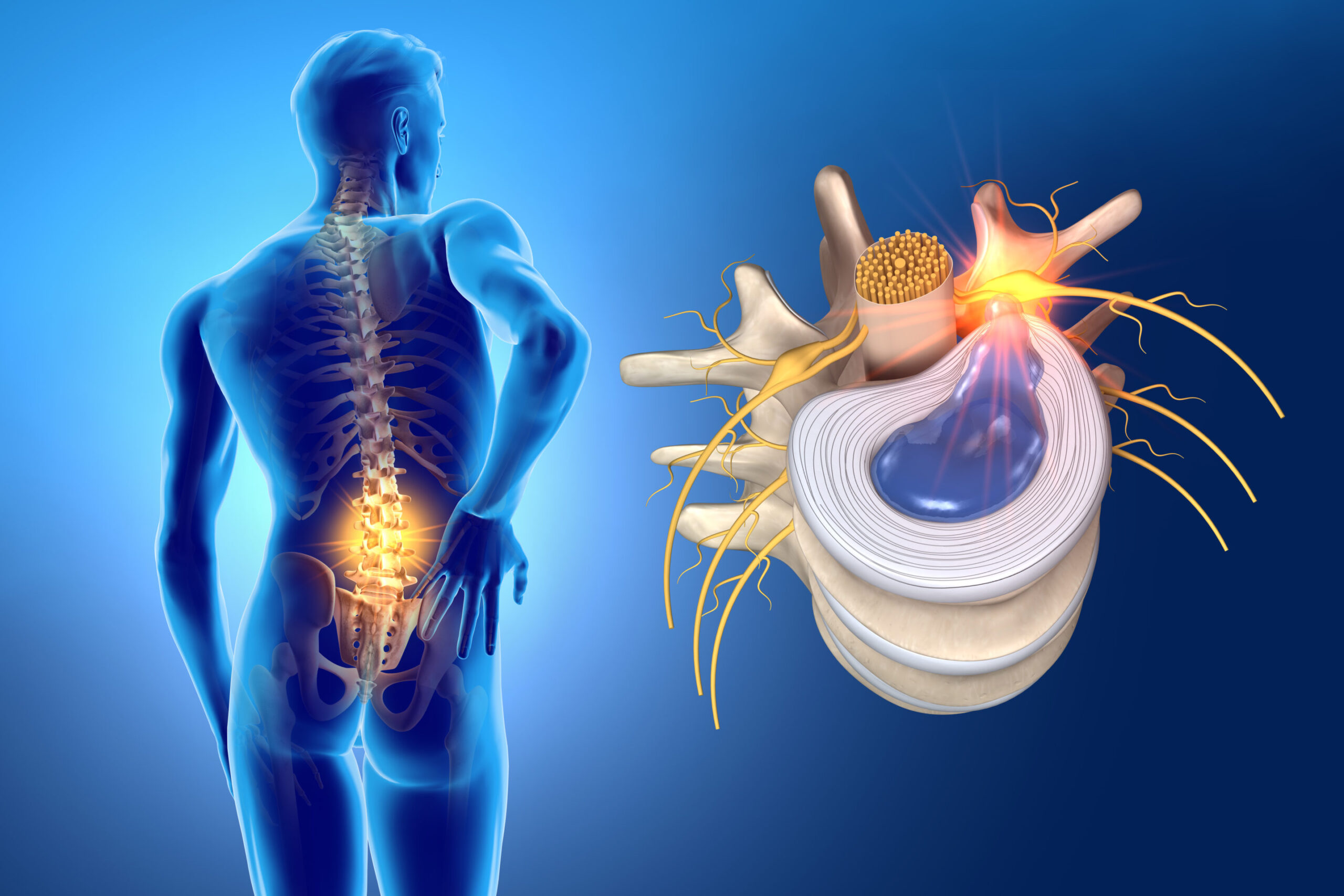
Herniated Disc
A tear or leak in the intervertebral discs, which can compress nerves and cause pain, numbness, and weakness, according to the Cleveland Clinic and www.neurosurgerydallas.com.
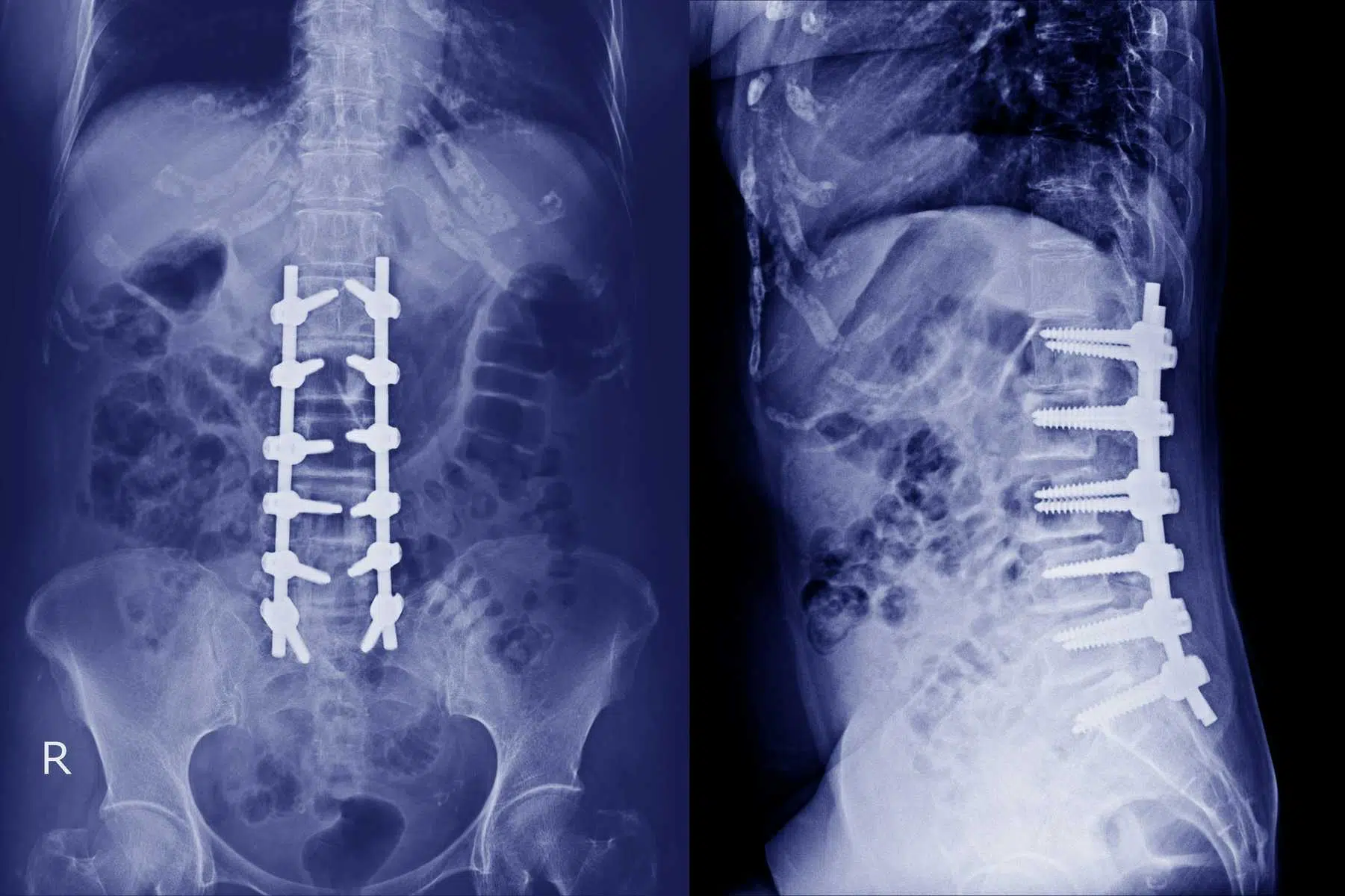
Degenerative Disc Disease
The gradual deterioration of the intervertebral discs over time, leading to pain, stiffness, and potentially nerve compression.
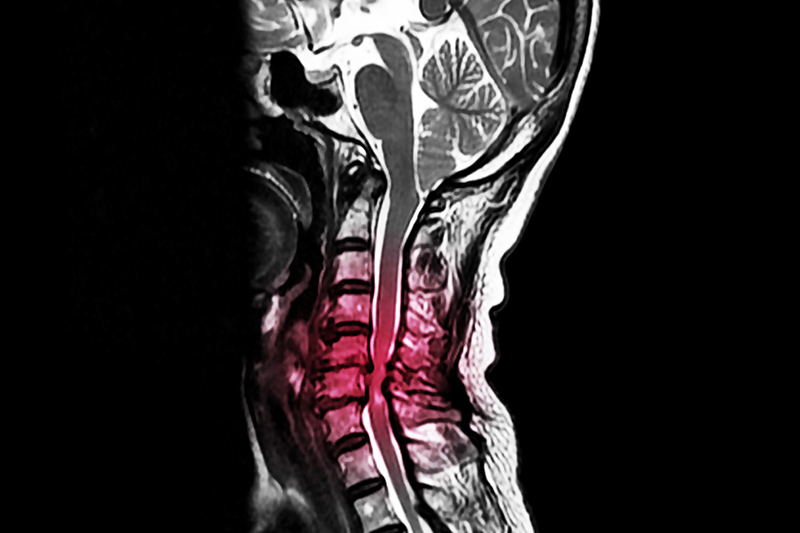
Cervical Stenosis
Narrowing of the spinal canal, which can put pressure on the spinal cord and nerves, causing pain, numbness, and weakness.
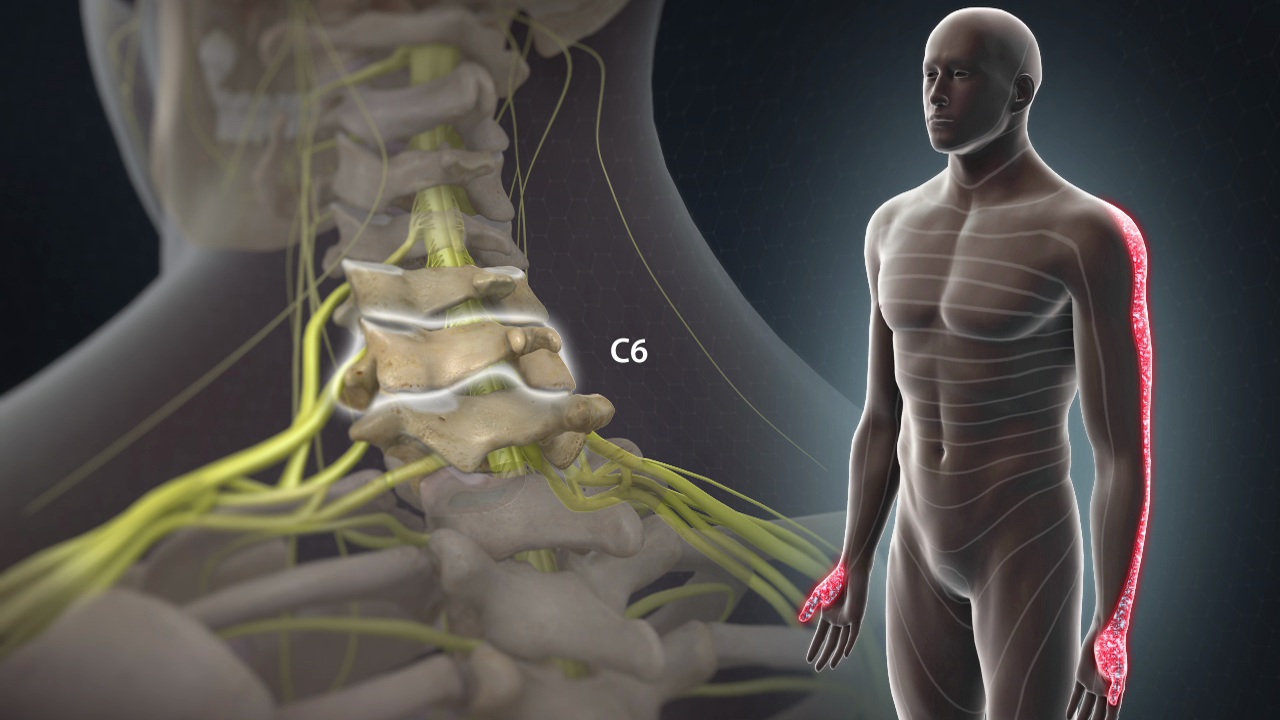
Cervical Radiculopathy
Pinched nerve in the cervical spine, causing pain that radiates down the arm or shoulder.
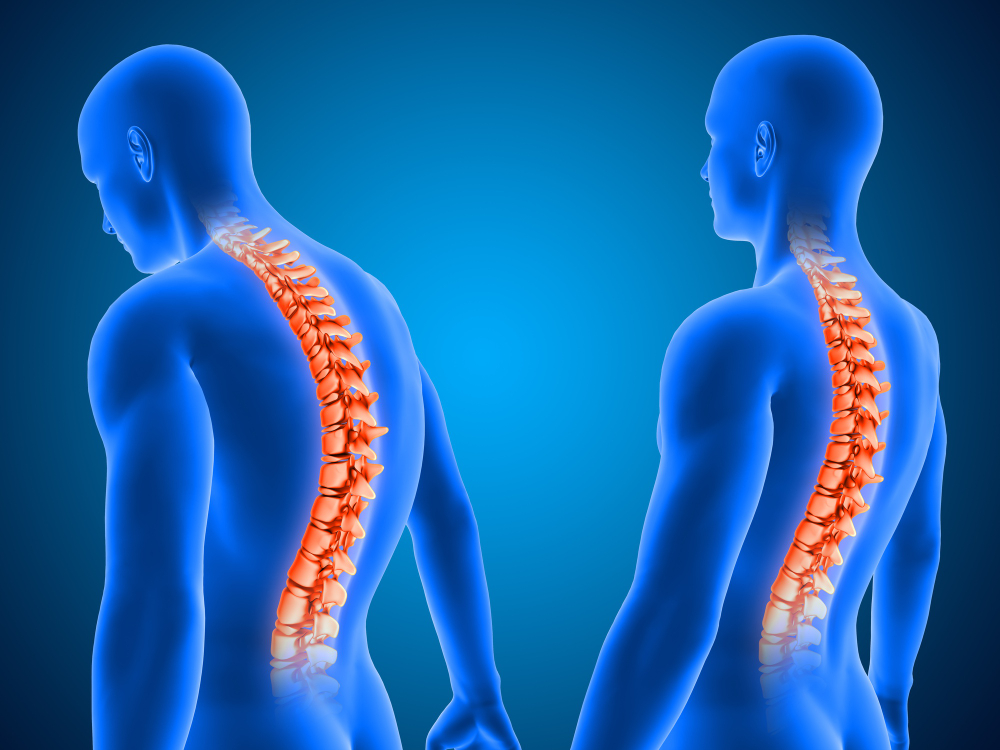
Spinal Cord Injury
Damage to the spinal cord itself, which can result in loss of sensation, movement, and bowel/bladder control.
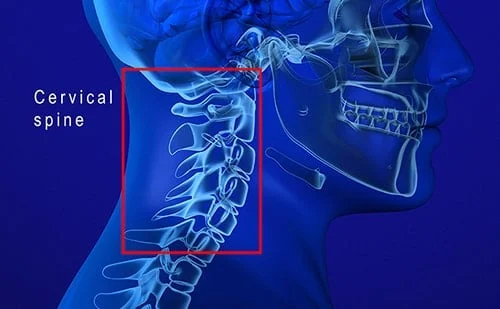
Cervical Spinal Fracture
A break in one or more of the cervical vertebrae, often caused by trauma.
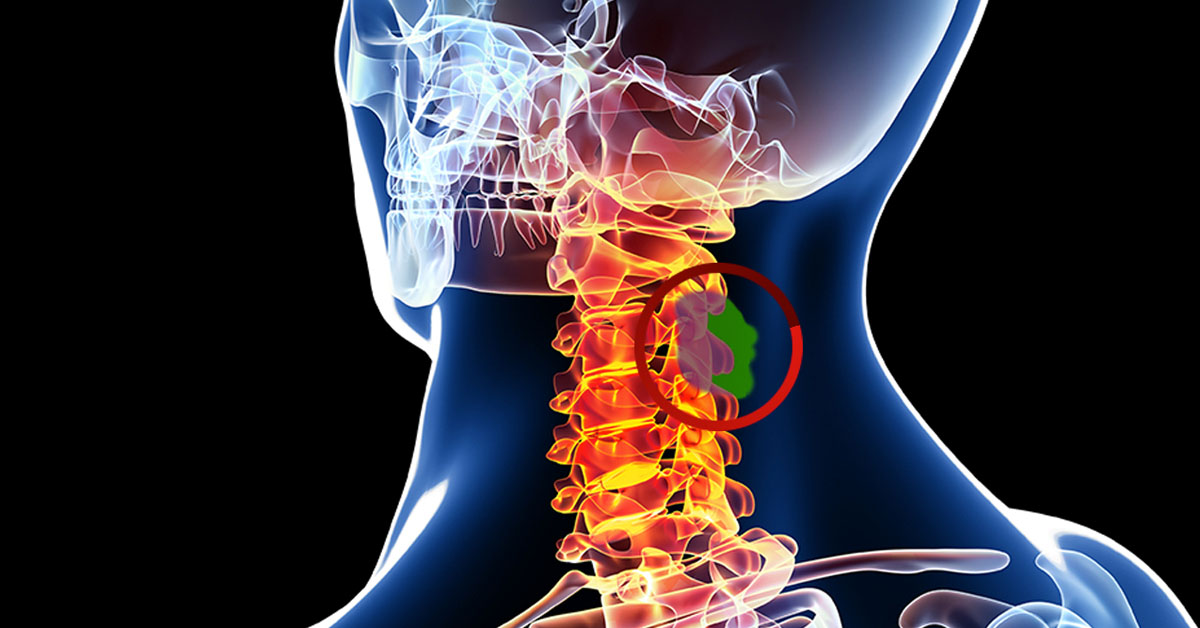
Cervical Spinal Tumor
A growth in the cervical spine, which can compress nerves and cause pain, numbness, and weakness.
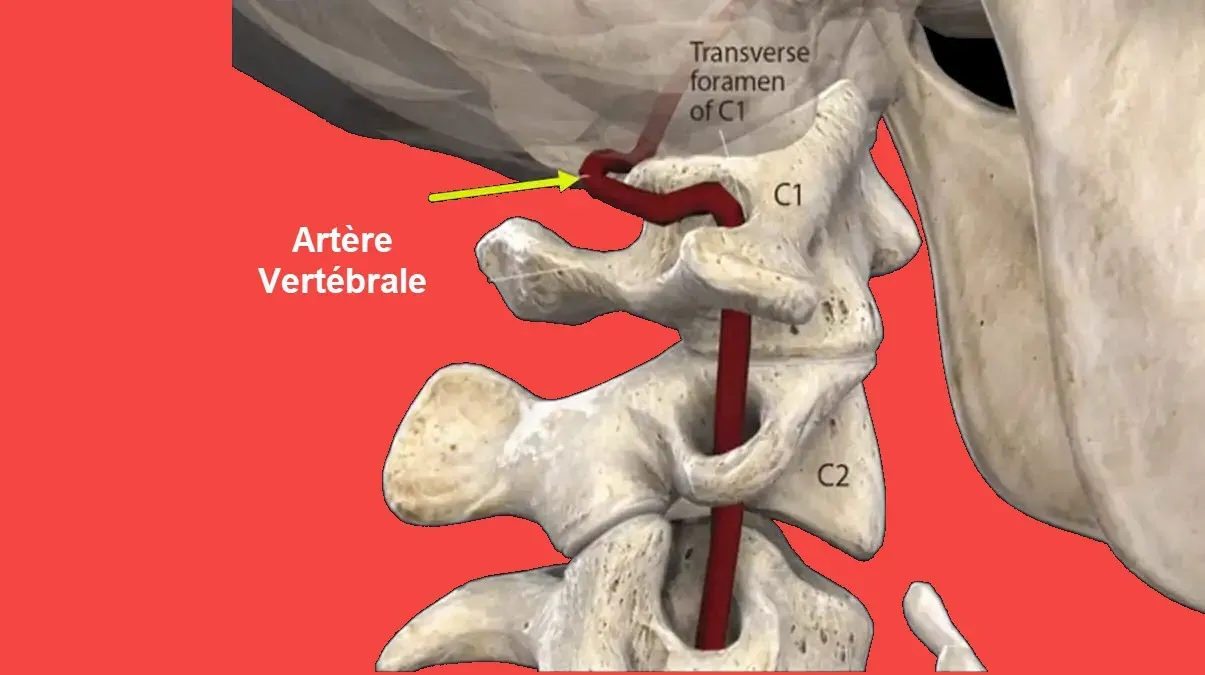
Cervical Arterial Dysfunction
A condition where the arteries in the neck are narrowed or blocked, which can lead to blood clots and other serious problems, according to Physiopedia.
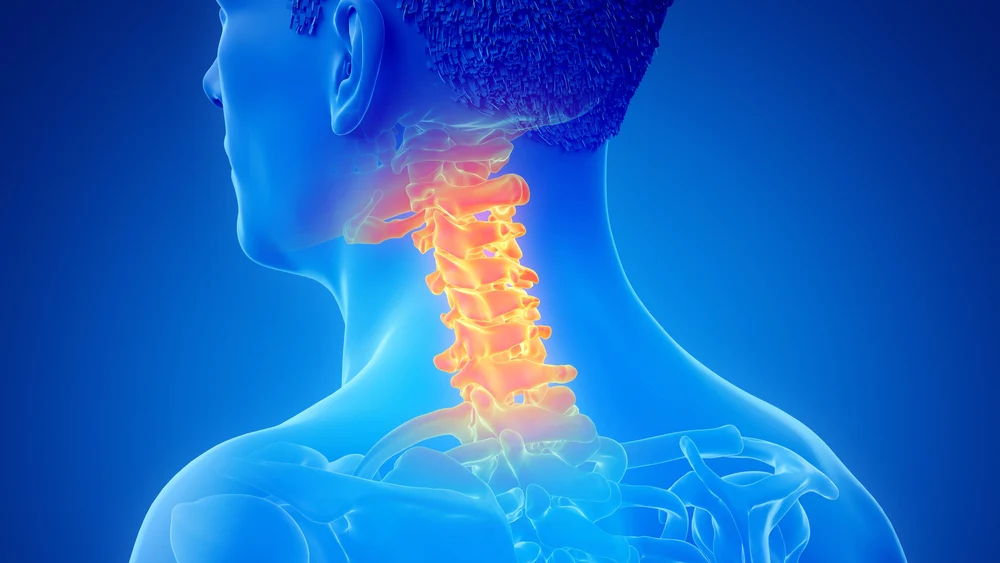
Cervical Osteoarthritis
Degenerative joint disease in the cervical spine, causing pain, stiffness, and decreased range of motion.
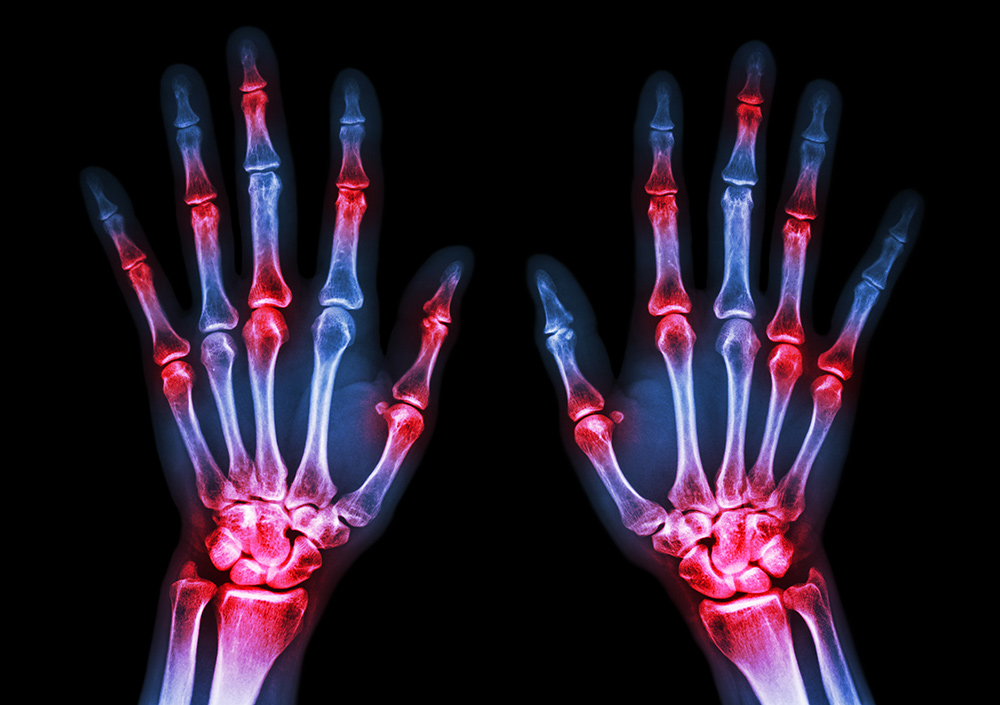
Rheumatoid Arthritis
A chronic inflammatory disease that can affect the cervical spine, causing pain, stiffness, and instability.